
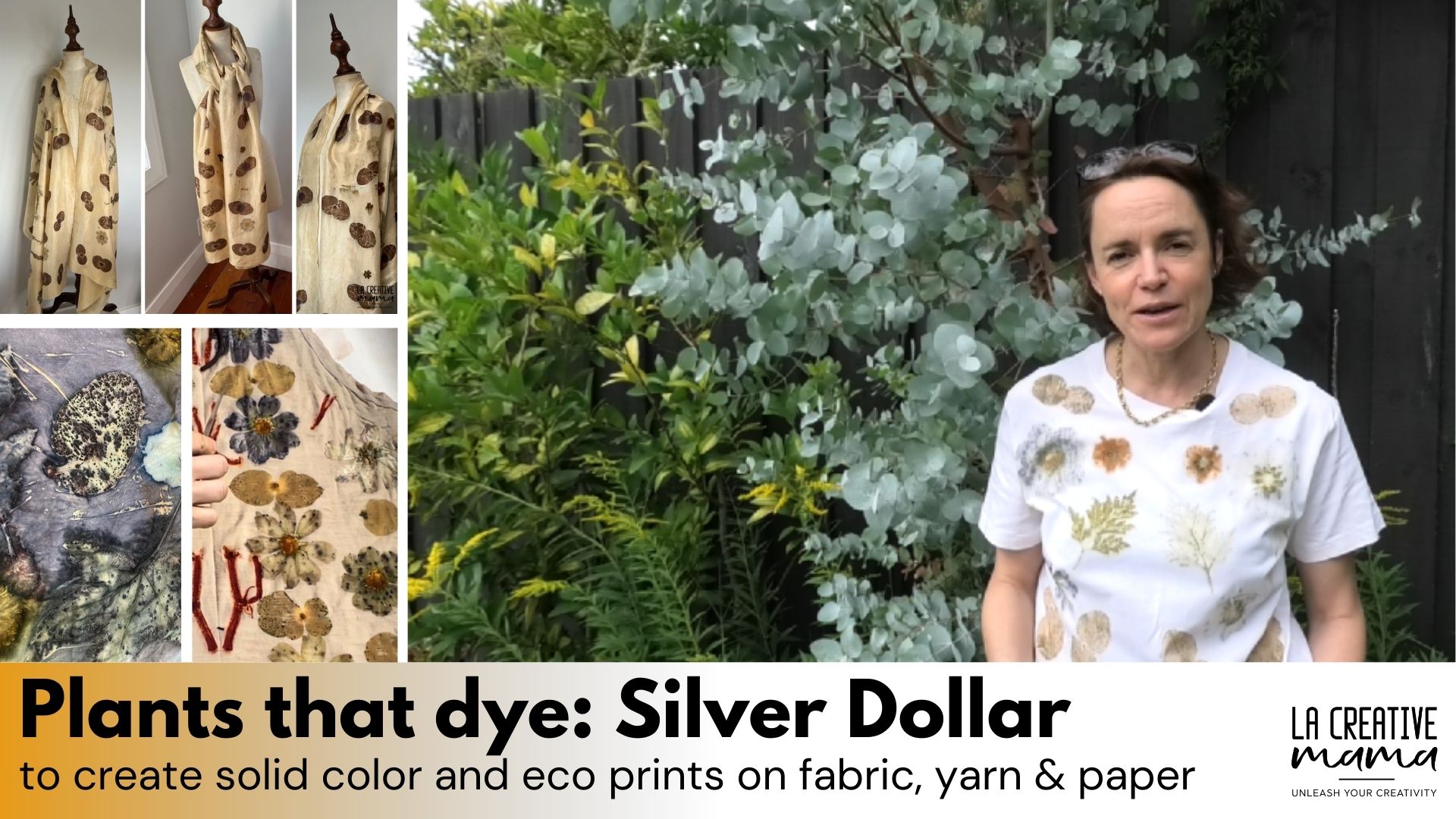
Silver dollar eucalyptus (Eucalyptus cinerea) is one of the best plants for natural dyeing and eco printing, producing warm orange and rust tones on fabric and yarn.
The round, silvery leaves are rich in tannins, which means they can often dye protein fibers without a mordant — making this a wonderful plant for beginners and experienced dyers alike.
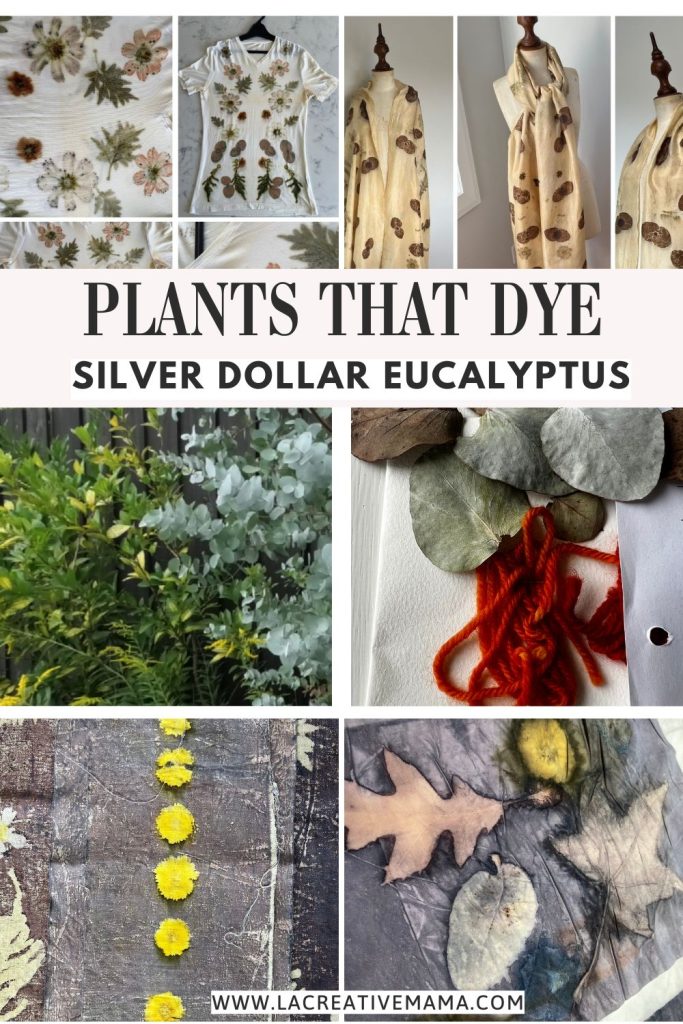
Today, we’re starting with one of my favorites: The silver dollar eucalyptus (Eucalyptus cinerea).
This beautiful tree produces round, silvery leaves that are not only visually striking but also incredibly powerful for natural dyeing and eco printing.
Once you learn to recognize it, you’ll start seeing it everywhere.
And when you do, you’ll realize you might be walking right past one of the best natural dye sources available.
Watch the full video here, I am showing you the actual leaves and then we will go to my studio to check out some color and print samples!
What Is Silver Dollar Eucalyptus?
The silver dollar tree (Eucalyptus cinerea) is a species of eucalyptus known for its round, silvery-blue leaves that often grow in pairs along the stem.
These distinctive leaves are easy to identify and are commonly used in floral arrangements because of their beautiful shape and scent.
But for natural dyers and eco printers, they offer something even more exciting:
Color and prints.
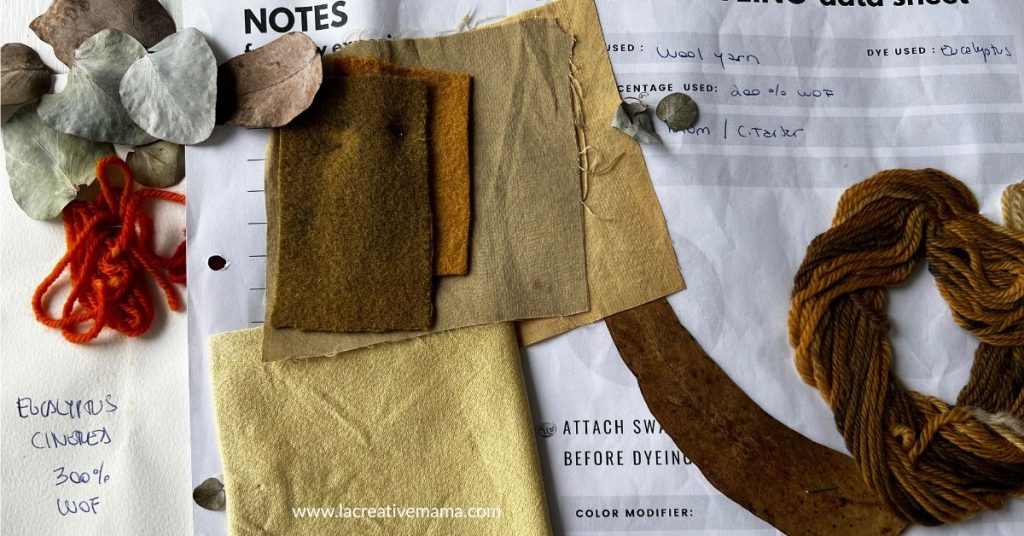
The leaves are rich in tannins and natural pigments that can produce warm tones ranging from yellow to orange and red, depending on the fiber and modifiers used.
That means a single plant can create a wide range of natural colors.
Why Silver Dollar Leaves Are Perfect for Natural Dyeing
There are many reasons why silver dollar eucalyptus is such a fantastic plant to work with.
1. It produces beautiful natural color
When used in a dye bath, eucalyptus cinerea leaves can produce stunning orange or red-orange shades on fibers like wool or silk.
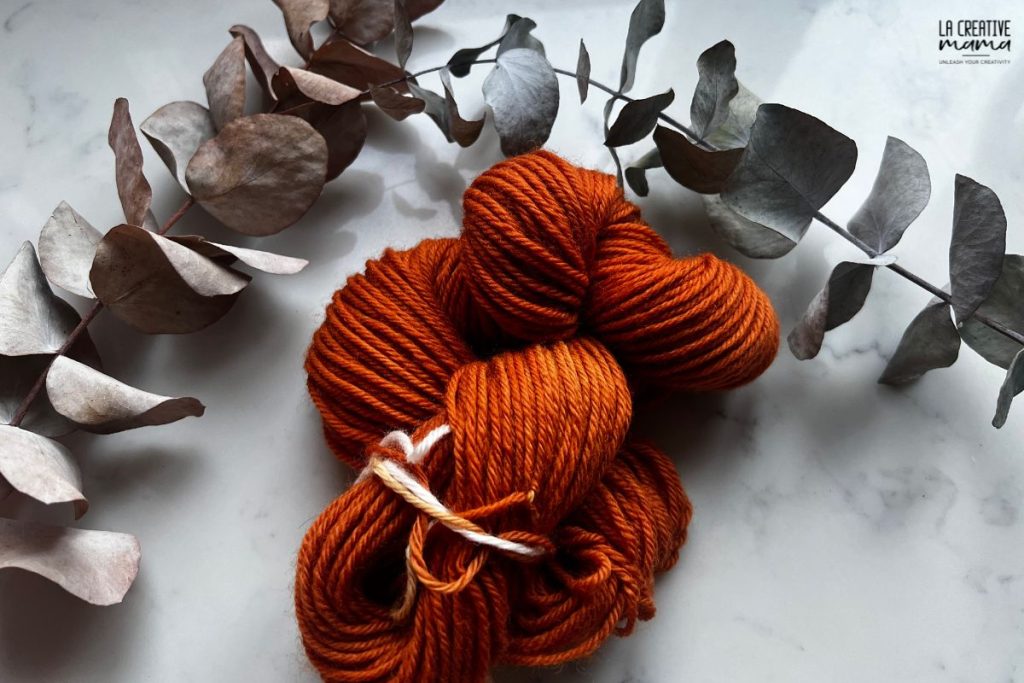
The photo above shows a skein of merino wool dyed using eucalyptus cinerea leaves. These leaves were very dried since they had been sitting in my garden shed for over 4 months.
This proves that this tree can provide us with color and prints all year round by using the leaves dried or fresh! More about this below.
The exact shade will vary depending on:
- The fiber type
- The mordant used
- The length of time in the dye bath
2. The leaves are rich in tannins
Because eucalyptus leaves contain natural tannins, they can often dye protein fibers without a mordant.
This makes them a wonderful plant for beginners exploring natural dyeing with plants.
3. The leaves create gorgeous eco prints
When bundled and steamed on fabric, eucalyptus leaves produce detailed leaf prints that show the shape and veins of the leaf.
These prints often appear as:
- Orange
- Rust
- Brown
- Red tones
The effect is incredibly beautiful and one of the reasons eucalyptus is widely used in eco printing on fabric.
Check out the type of prints that are possible by using these leaves in the photo below.
Fresh vs Dry Leaves: Which Works Best?
One of the wonderful things about eucalyptus is that both fresh and dry leaves work well.
Fresh leaves are often used directly from the tree.
But dried leaves can also produce excellent dye results.
This means you can:
- Collect leaves after storms
- Gather fallen branches
- Save leaves for later projects
Many natural dyers even store eucalyptus leaves for future dye sessions because they maintain their color potential for a long time.
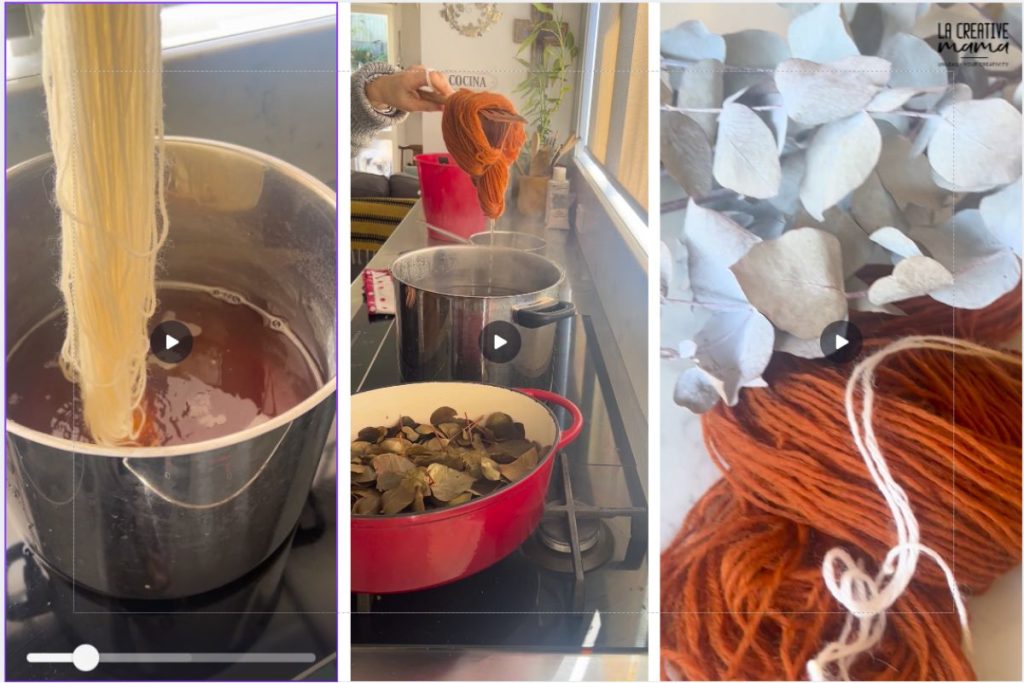
The photo below shows a dye bath that I created using only dried leaves and look at the gorgeous color that I got!
What Color Does Silver Dollar Eucalyptus Produce?
When you dye fabric or yarn with eucalyptus cinerea leaves, you will usually see a warm orange color develop.
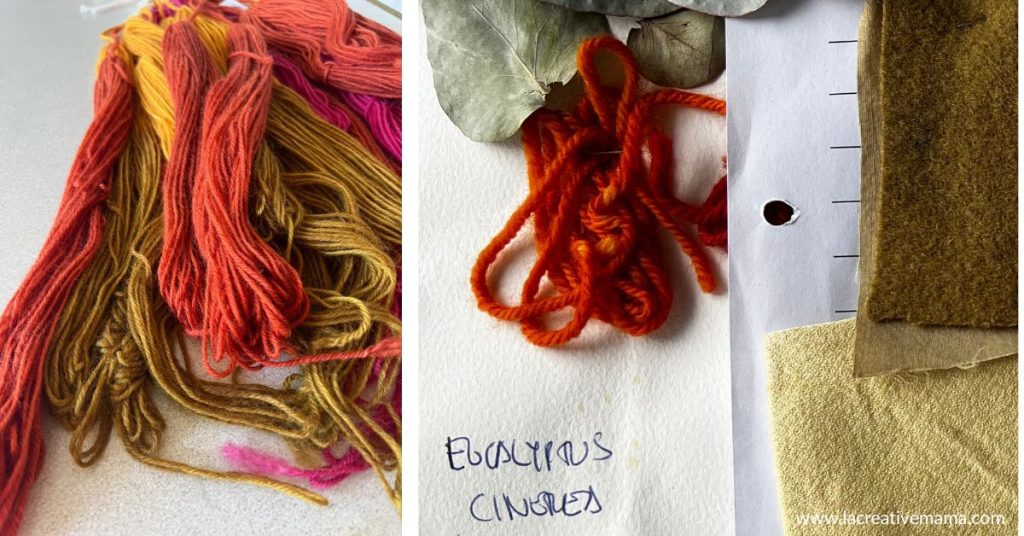
The photo below shows wool yarn (orange) dyed with silver dollar leaves and the yellow fabrics on the right have been dyed with eucalyptus globulus which is a different variety.
But the magic happens when you start modifying the color.
Using different mordants and modifiers can shift the color dramatically. Check out the video above to see the examples first hand!
The main changes happen when you play with mordants, you can use ferrous sulphate as a mordant, as a post dye bath.
These changes happen because the tannins and flavonoids in the leaves react differently with each metal salt.
This is one of the reasons natural dyeing feels so creative — the same leaf can produce many colors.
Eco Printing With Silver Dollar Leaves
Silver dollar eucalyptus is also one of the best plants for eco printing on fabric.
The round leaves create bold prints that clearly show the leaf shape.
You can use them on many surfaces, including:
- Silk
- Wool
- Cotton
- Linen
- Paper
The process involves:
- Placing leaves on fabric
- Rolling or bundling the fabric
- Steaming or simmering the bundle
- Allowing the pigment to transfer to the fibers
Protein fibers like silk and wool tend to produce the most vibrant prints.
Cotton can also work beautifully, especially when prepared with mordants or iron blankets.
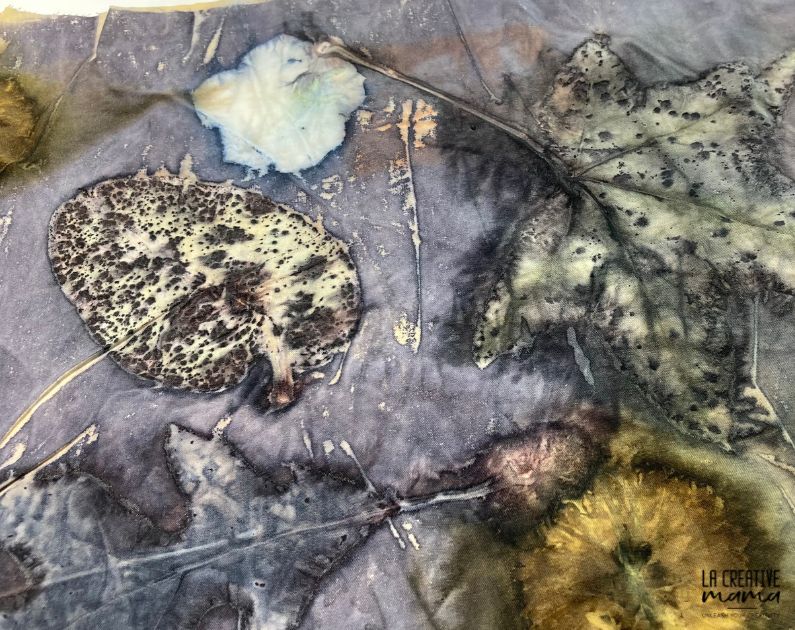
Silver dollar is just one of many eucalyptus species that print beautifully. Read more in Eco Printing with Eucalyptus.
Creative Ways to Use Eucalyptus Prints
Once you start creating color and prints with eucalyptus leaves, the possibilities are endless.
You can use naturally dyed or eco printed fabrics for:
- Sewing garments
- Visible mending projects
- Patchwork and quilting
- Upcycled clothing
- Scarves and accessories
- Textile artwork
- Paper crafts and journals
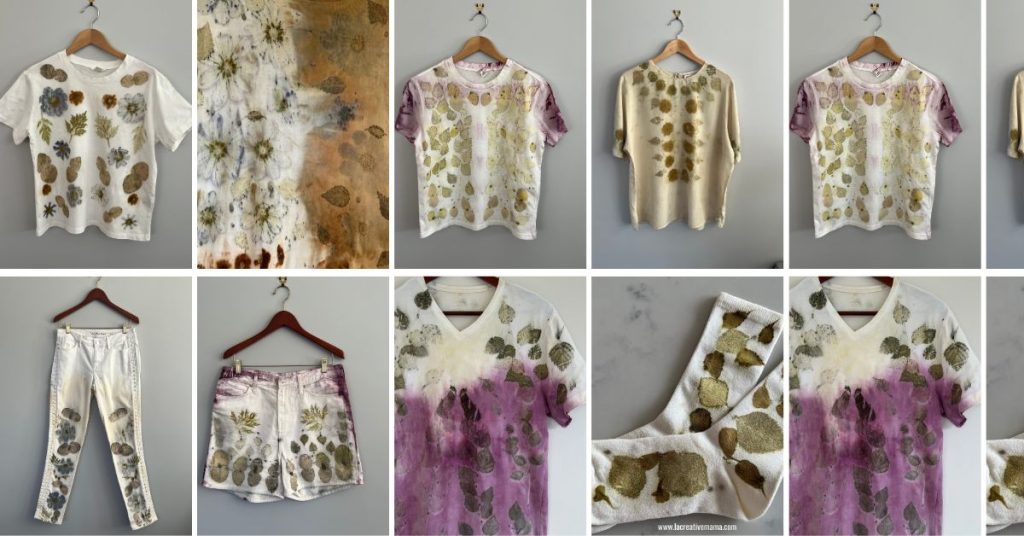
Many of my students also use these fabrics for sustainable sewing projects, turning naturally dyed textiles into beautiful handmade clothing.
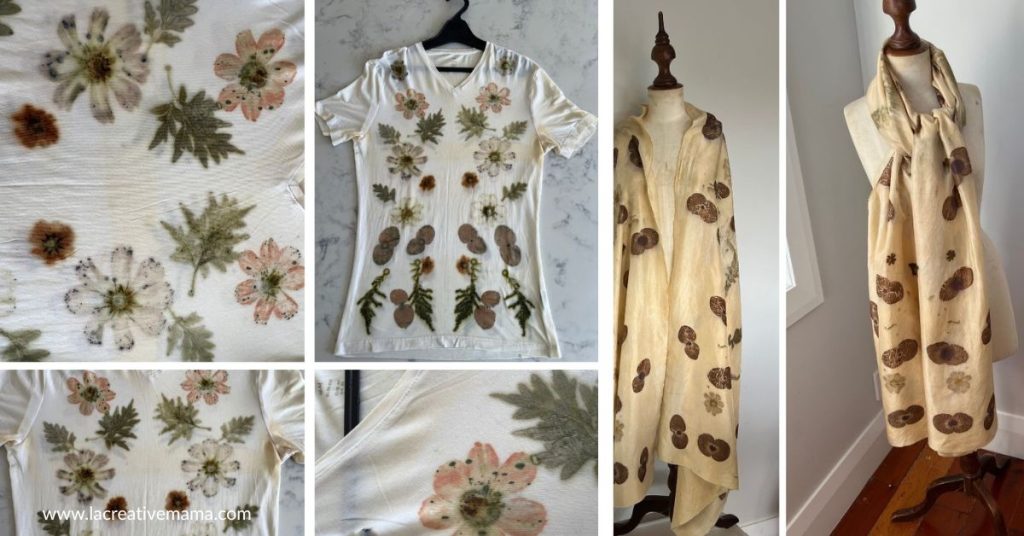
The photos above show different garments which have been upcycled using silver dollar leaves which were eco printed in different ways!
I love this merino top which has been printed with silver dollar, cosmos flowers and madder roots.

You next plant dye to explore is Goldenrod, you will love the strong and bright yellows that can be achieved with Goldenrod which you can forage too!
Check out The Ten best natural dyes article for more inspiration!
FAQ – Frequently asked questions
Silver dollar eucalyptus (Eucalyptus cinerea) produces warm orange and rust tones when used as a natural dye on fabric and yarn. On protein fibres like wool and silk, the color is rich and saturated. Cotton and linen give softer results. Using an iron modifier after dyeing can shift the orange toward green or brown tones, giving you a wider color palette from one plant.
Yes. Eucalyptus leaves are naturally high in tannins, which means they can often bond to protein fibers like wool and silk without a separate mordant. This makes eucalyptus one of the most beginner-friendly natural dye plants. For cellulose fibers like cotton and linen, a mordant such as alum will give much better results.
Wool and silk give the most vibrant orange and rust tones with silver dollar eucalyptus. Cotton and linen can also be dyed successfully, especially when prepared with a mordant or soy milk binder. For eco printing, silk and wool produce the boldest leaf prints, while cotton works well when used with an iron blanket technique.
Yes. Both fresh and dried silver dollar eucalyptus leaves work well for natural dyeing. Dried leaves retain their tannins and pigment for a long time, so you can collect and store them for future dye sessions. Many natural dyers gather fallen branches after storms and dry the leaves to use throughout the year.
Eco printing with silver dollar eucalyptus produces bold, clear botanical prints showing the distinctive round leaf shape and vein details. Print tones are typically orange, rust, red, and brown — and they tend to closely match the color you’d get from a dye bath using the same leaves. This consistency makes eucalyptus a wonderful plant for creating coordinated dyed and printed textile pieces.
Yes. Cotton can be eco printed with silver dollar eucalyptus, though the results on protein fibers like silk and wool are usually more vivid. For cotton, preparing the fabric with a mordant or using an iron blanket during the bundling process helps transfer the pigment more effectively and creates deeper, longer-lasting prints.
Yes. Iron (ferrous sulphate) used as a modifier or post-mordant can shift the warm orange of eucalyptus dye toward green, khaki, or brown tones. This is called saddening. It’s a beautiful way to expand your color palette using a single dye plant. Iron can be added directly to the dye bath or applied as a separate after-bath.
No. Different eucalyptus species produce different dye colors. Silver dollar eucalyptus (Eucalyptus cinerea) is known for its warm orange tones, while other species like Eucalyptus globulus tend to give more yellow results. The round silver-blue leaves of Eucalyptus cinerea are easy to identify and widely available in florist shops and gardens.
Download My Free Natural Dye Plant Guide
If you enjoy discovering plants that dye and print fabric, yarn, and paper, I created a free Natural Dyes Guide for you.
Inside the guide you’ll find:
- A list of plants that produce natural color
- Examples of eco prints and natural dye results
- Creative ideas for using dyed fabrics and yarn
It’s a wonderful reference to keep in your studio or print for your dye notebook.
Hi, I am Victoria!
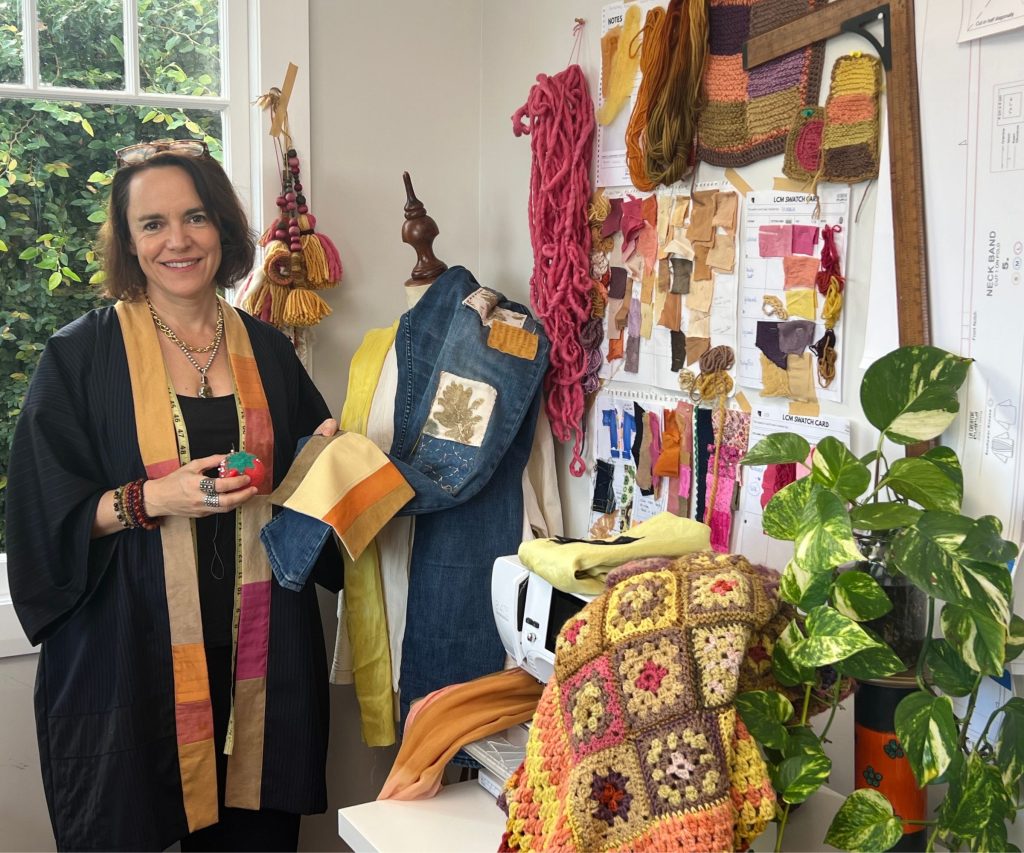
Welcome to my creative world!
I created LA CREATIVE MAMA as a crafty home for all my crafty talented friends who want to get inspired and creative with DIY sewing projects, upcycled fabric crafts, natural dyeing, eco printing and of course my favorite: DIY Sustainable FASHION!
Get in touch!
Join me and the community of Creative Mamas! Come over to Facebook / Instagram/ Pinterest and leave a comment or reply to a blog post here.
Would love to see any pics from projects you did from my blog and I can feature you here!