
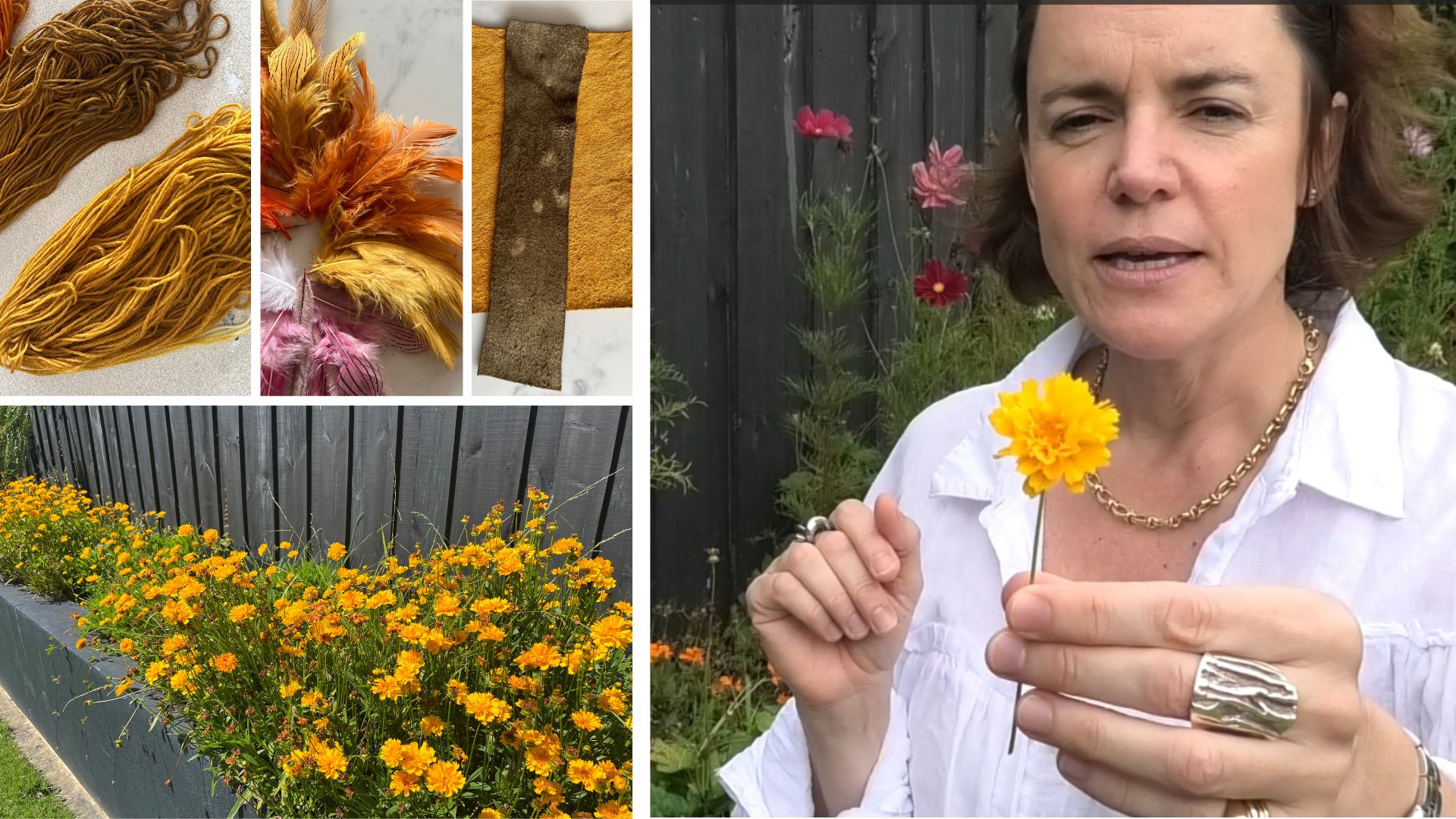
Coreopsis (tickseed) is one of the most versatile natural dye plants you can grow — producing bright, long-lasting color on fabric, yarn, wool, leather, feathers, and even paper.
What makes it truly special is that it works beautifully for both solid natural dyeing and eco printing, making it one of the few “supernatural dyes” that does it all from a single flower.
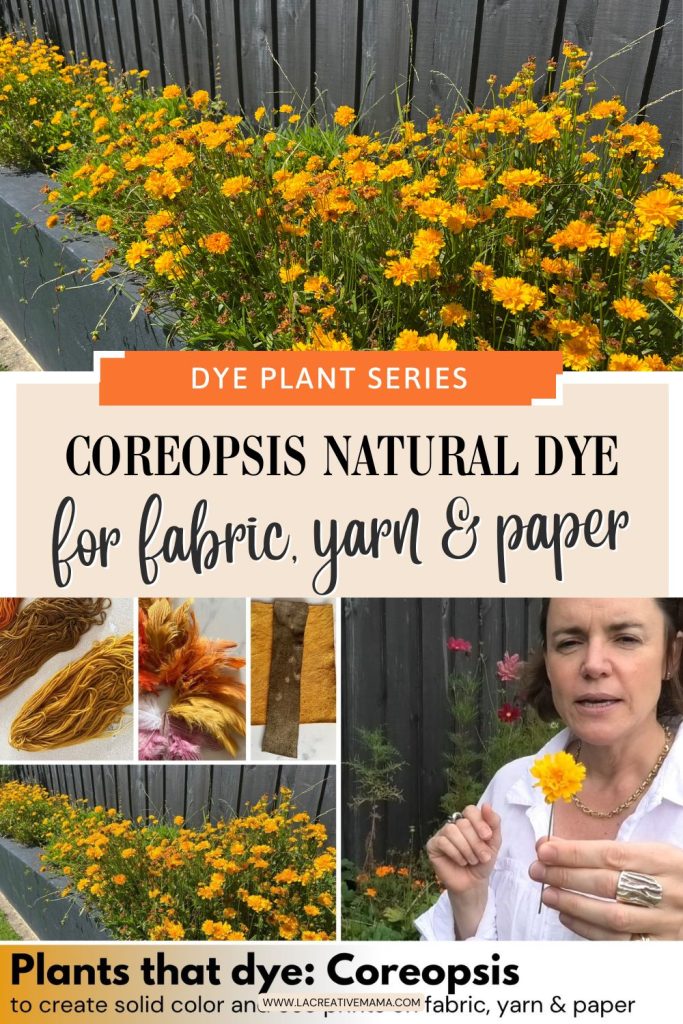
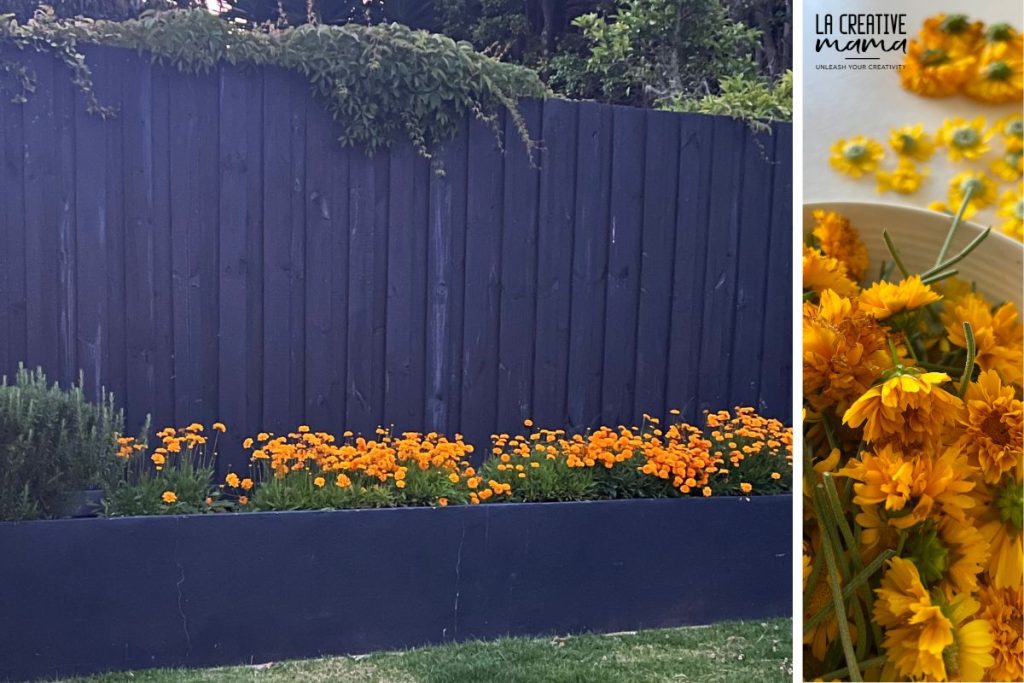
I’ve been growing and dyeing with coreopsis in my Auckland garden for years, and it has become one of my absolute go-to plants.
In this post I want to share everything, the colors it makes, the fibers it works on, how to grow it, and how to harvest and store it so you can create color all year round.
Watch the full video here:
What Is Coreopsis and Why Do I Call It a Supernatural Dye?
Coreopsis belongs to the Asteraceae family and is commonly known as tickseed. It comes in a variety of species, and the one I grow with the most success in my garden is the tickseed variety.
A lush, multi-petalled flower that is both beautiful to look at and incredibly generous as a dye plant.
I call it a supernatural dye for one very specific reason: it works on absolutely every kind of fiber, including paper.
Most natural dyes are wonderful on protein fibers like wool and silk, but struggle on cotton, linen, or paper. Coreopsis doesn’t discriminate. It shows up beautifully everywhere you use it, and that is rare.
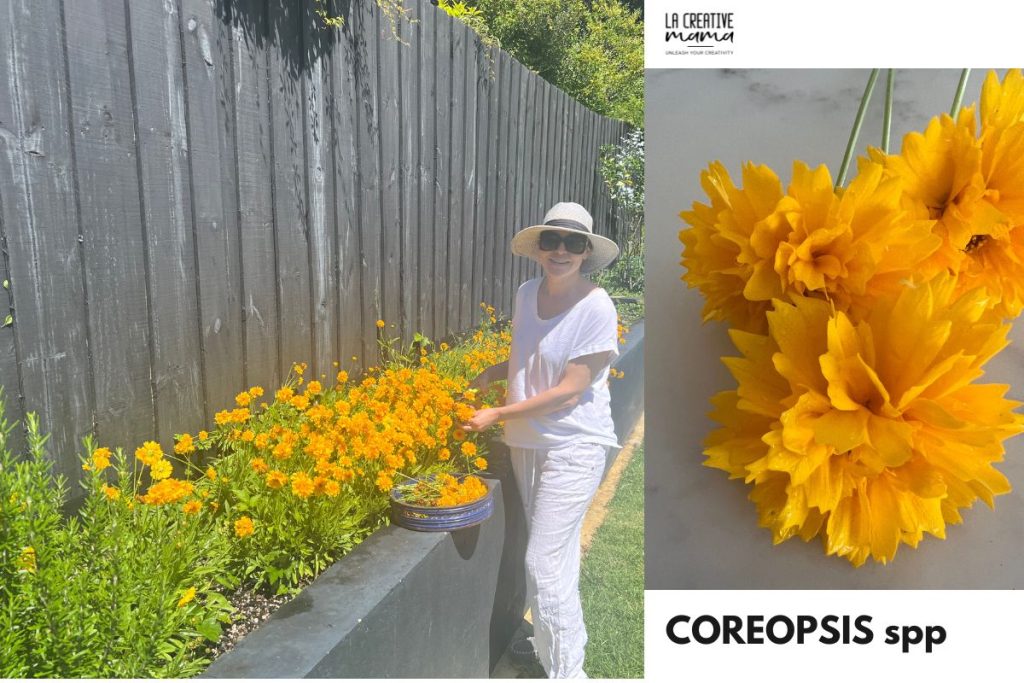
There are two main varieties worth knowing about:
Tickseed (the meaty, multi-petalled variety) — this is the one I grow and recommend. When used for eco printing, the many layers of petals create a beautiful 3D effect on fabric.
It’s also extremely hardy — my original four punnets have spread to eight or nine metres of flowers in my garden over four years, and they’ve survived Auckland winters and flooding without losing any of their dye strength.
The finer, more delicate variety — when dried, this one gives a more defined, outlined print. Neither variety is better than the other — it simply comes down to what kind of eco printing result you prefer.
Coreopsis on Different Fibers: What to Expect
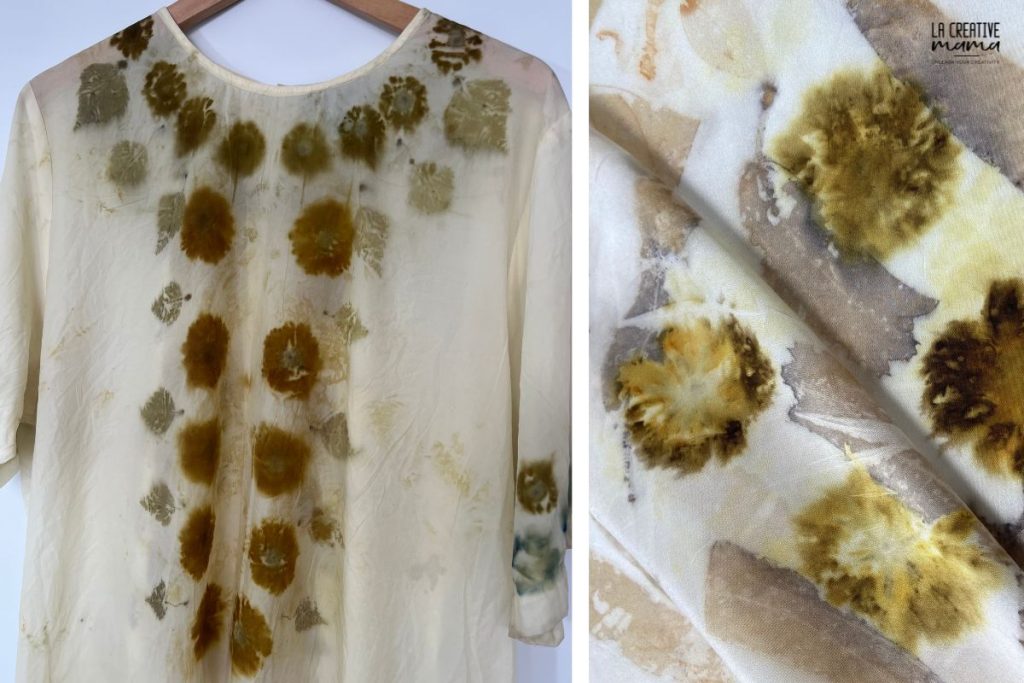
Silk
On silk, coreopsis produces clear, beautiful prints and rich color. Because the flower has so much pigment, it prints on both sides of the fabric — giving you a mirror image when you unfold the bundle.
You can also modify the color further with an iron bath after dyeing, which shifts the warm tones into deeper, more complex shades.
Cotton and Calico
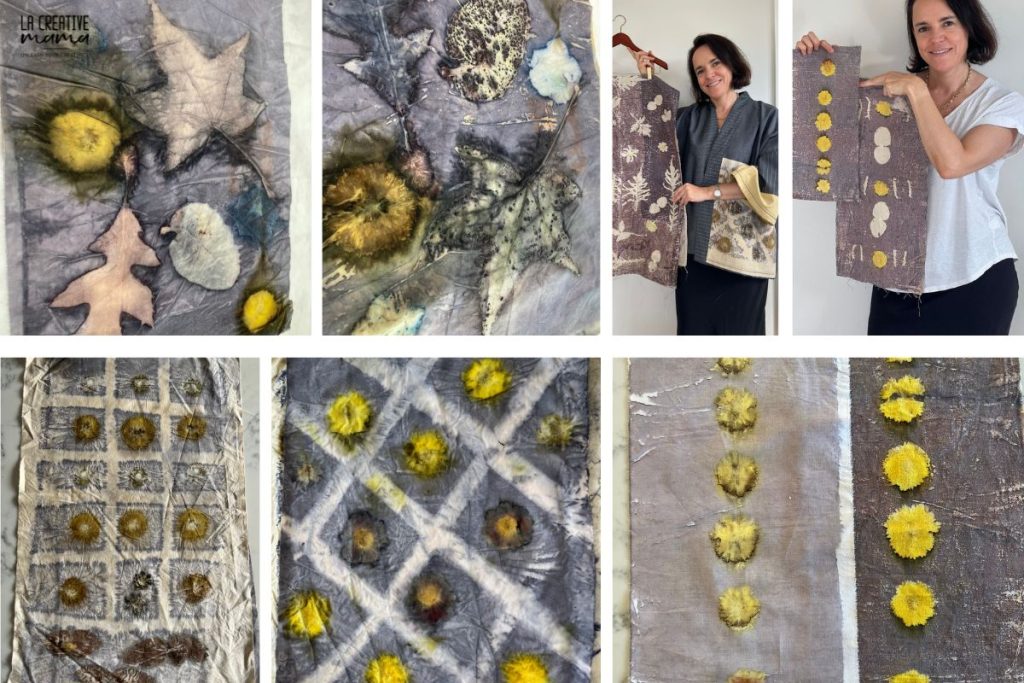
Cotton works beautifully with coreopsis, especially when using the iron blanket technique. You can achieve fluorescent-bright yellows that are almost unbelievably vivid.
I once created a panel of calico for my Minimal Waste Sewing kimono project that gave me the most beautiful contrast between bright coreopsis yellow and a blue-grey background. It’s also stunning when combined with resist patterns for even more creative results.
Wool
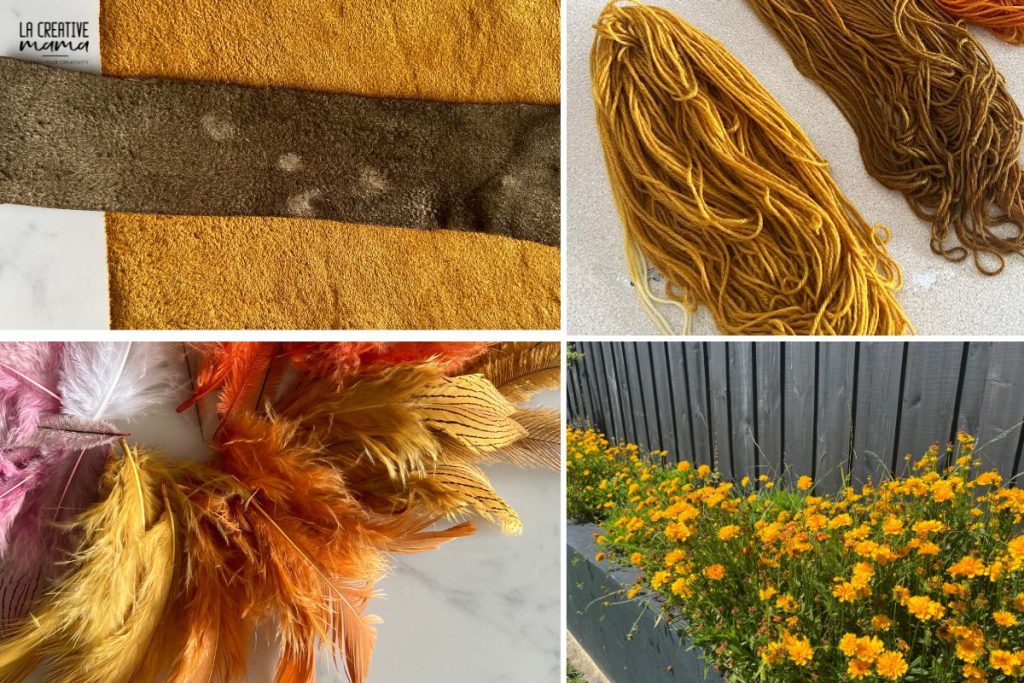
On merino wool, coreopsis produces a solid, warm color that is rich and consistent. One of my students created some truly extraordinary work using coreopsis with an iron blanket alongside a brazilwood dye blanket.
The combination of colors was stunning. As with all natural dyeing, mordanting your wool correctly before dyeing is what locks in those bright, lasting results.
Leather and Feathers
One of the things I find most remarkable about coreopsis is how consistently it behaves across very different materials.
I dyed both merino wool and leather with coreopsis flowers and then modified both with iron and the results were almost identical in depth and consistency. This tells you everything about how stable this dye is.
When you follow the right process for each material, coreopsis delivers solid, durable color every time.
Paper
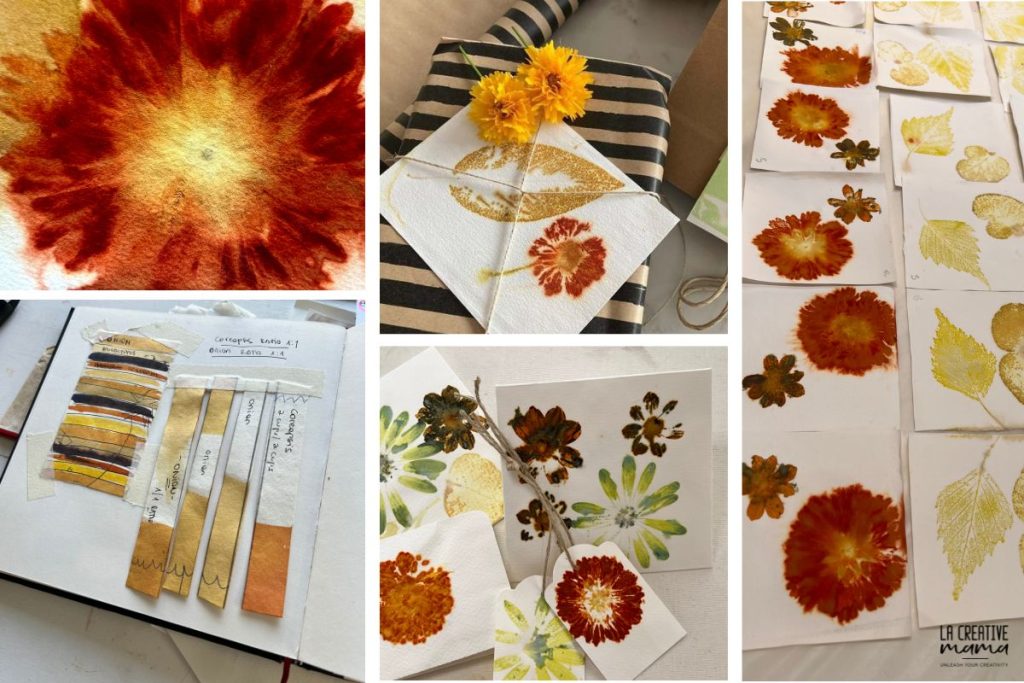
On paper, coreopsis prints a bright orange-red — which always surprises people who expect yellow.
You can also extract a natural ink directly from the flower, which gives yet another slightly different presentation. It’s one of the most durable natural dye sources for paper-based projects, from eco printing on handmade cards to botanical art.
How to Grow Coreopsis for Natural Dyeing
Coreopsis is one of the easiest dye plants you can grow — hardy, prolific, and happy in pots or garden beds.
My recommendation is to start with punnets rather than seeds. Punnets give you a head start of two to three months, which means you’re less likely to lose young seedlings to bugs, pets, or unpredictable weather.
All I did was dig small holes in my garden bed, plant four punnets, fill them with fresh potting mix, and fertilize weekly for the first six weeks. Within four months I had my first full bloom — and those original four punnets have now spread to eight or nine metres of flowers that return every year.
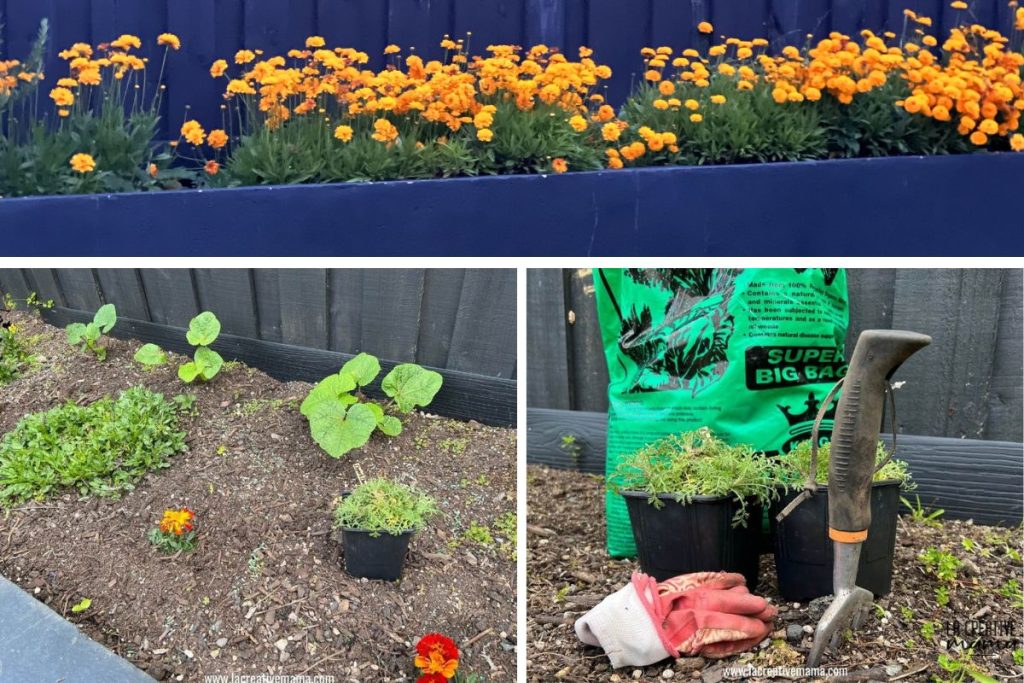
Here’s what I love most about this plant from a practical standpoint: in Auckland, I only have four months of the year with no flowers.
That means eight months of the year I can walk into my garden and pick enough coreopsis for an eco printing project. In the height of summer, there’s so much it’s almost overwhelming — little bright yellow dots glowing in the garden right up until nearly 9pm.
If you’re in a cooler climate with a shorter season, coreopsis still works beautifully — you just need to be strategic about harvesting and storing it at peak bloom so you have a supply for the rest of the year.
How to Harvest and Store Coreopsis All Year Round
This is where coreopsis really becomes a year-round resource — as long as you know how to store it properly.
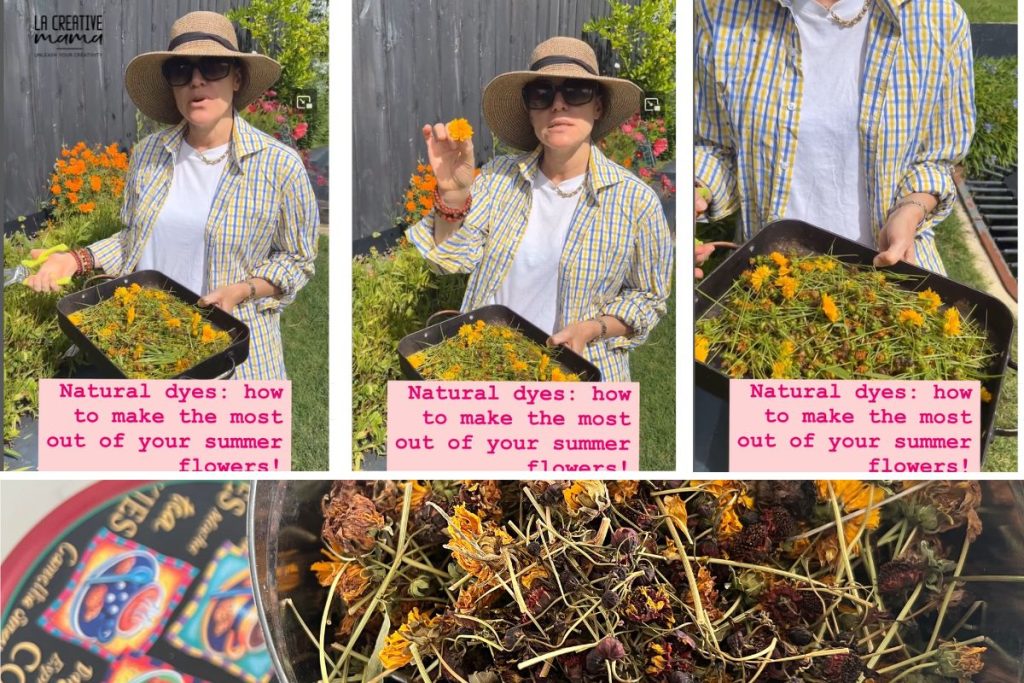
For solid natural dyeing
Once a week during summer, I walk through my garden and clip all the dried flower heads, the ones that have already bloomed and are starting to dry naturally in the sun.
I collect them into a container, let the whole bunch sit in a sunny spot indoors for two to three weeks until completely dry, then transfer them into tins or paper bags for storage in my studio.
Important: make absolutely sure the flowers are completely dry before sealing them away. If there is any moisture left, you will end up with insects — and trust me, we have had some experiences I won’t go into detail about.
I keep around 100 fresh flower heads set aside each year specifically for eco printing, and the rest goes into storage for solid color dye baths.
For eco printing
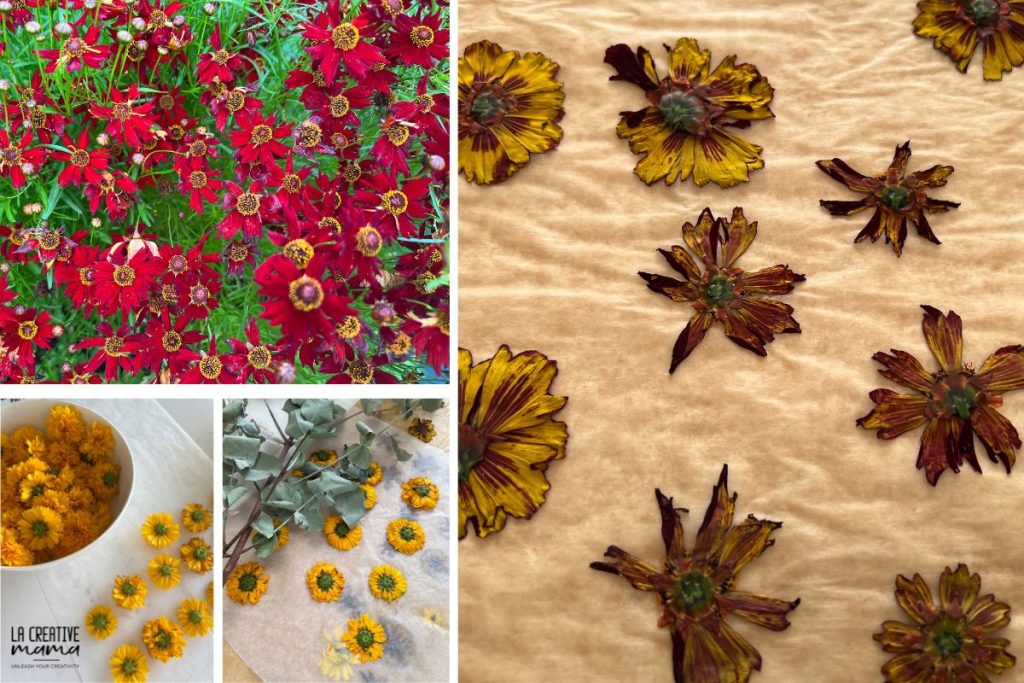
For flowers I want to use fresh in eco printing, I press them flat between sheets of baking paper with a heavy weight on top for two to three days.
After removing the weight, I leave them to air out and finish drying for another two to three weeks. Once completely dry, they’re ready to use in your bundles whenever you need them.
Want to Learn More About Natural Dyeing?
If coreopsis has sparked your curiosity about natural dyeing and eco printing, there’s so much more to explore.
A great starting point is the ultimate guide to natural dyeing, which walks you through the full process from start to finish — including how to mordant your fabric for bright, colorfast results.
If you’d love to go further with eco printing, my beginner’s guide to eco printing on fabric is the perfect next step.
And if you’re building your natural dye plant collection, you’ll also enjoy my guides to the best natural dyes for fabric and yarn and the best plants for eco printing — coreopsis features in both.
Want More Plants Like This?
👉 Download the free printable guide with the 40 best natural dyes
FAQ – Frequently asked questions
Coreopsis produces warm yellows and golds on fabric and yarn, and a surprising bright orange-red on paper. The final color depends on the fiber type, the mordant used, and whether you apply any modifiers like iron after dyeing. Iron used as a post-mordant shifts coreopsis color toward deeper, earthier tones, giving you a wider palette from one plant.
Yes — coreopsis is one of the best flowers for eco printing, producing clear, defined botanical prints on silk, cotton, wool, and paper. The tickseed variety creates a beautiful 3D layered print effect due to its many petals, while finer varieties give a more delicate, outlined print. It works on both sides of the fabric, giving you a mirror image when the bundle is unfolded.
For bright, colorfast results that won’t fade after washing, mordanting before dyeing is important. Alum (aluminium potassium sulphate) is the safest and most reliable mordant for protein fibers like wool and silk. If you skip the mordant, the color may fade over time. Learn more about mordanting in natural dyeing.
Coreopsis works on an unusually wide range of materials — wool, silk, cotton, linen, leather, feathers, and paper. This versatility is one of the reasons I call it a “supernatural dye.” Results vary by fiber: wool and silk give the richest color, cotton and cellulose fibers benefit from mordanting or iron blanket techniques, and paper gives a striking orange-red print.
Yes — dried coreopsis retains its dye strength beautifully and can be stored for months. I harvest and dry my coreopsis flowers every summer and use them throughout the year for both solid dye baths and eco printing. Make sure the flowers are completely dry before storage to avoid moisture and insects.
Start with punnets rather than seeds for a faster, more reliable result. Plant in garden beds or large pots with fresh potting mix, fertilize weekly for the first six weeks, and expect your first full bloom within about four months. Coreopsis is very hardy — it proliferates, survives mild winters, and in warmer climates will give you flowers for most of the year.
Harvest at peak bloom for the strongest color — this is when the pigment concentration is highest. In Auckland, that’s around mid to late summer (January–February). In the northern hemisphere, look for peak bloom in late summer, typically July to September. I collect dried flower heads weekly throughout the season and store them for use all year round.
Yes — coreopsis is one of the most effective flowers for eco printing on paper, producing bright orange-red prints that are surprisingly vivid and durable. You can also extract a natural ink directly from the flower for a slightly different effect. It’s a wonderful plant for botanical art, handmade cards, and journal projects.
Ready to Go Deeper?
If you’re ready to move beyond experimenting and start getting consistent, beautiful results from coreopsis and other natural dye plants, I’d love to guide you further.
Inside my courses, I teach you step-by-step methods for getting bright, lasting color — including how to use coreopsis for eco printing on silk and cotton, how to work with iron blankets and modifiers, and how to build a natural dye practice you can sustain all year round.
Explore:
- Natural Dyeing Ultimate Course
- Eco Printing Ultimate Course
- Natural Dyeing Bundle — the perfect starting point ($27–$37)
Hi, I am Victoria!
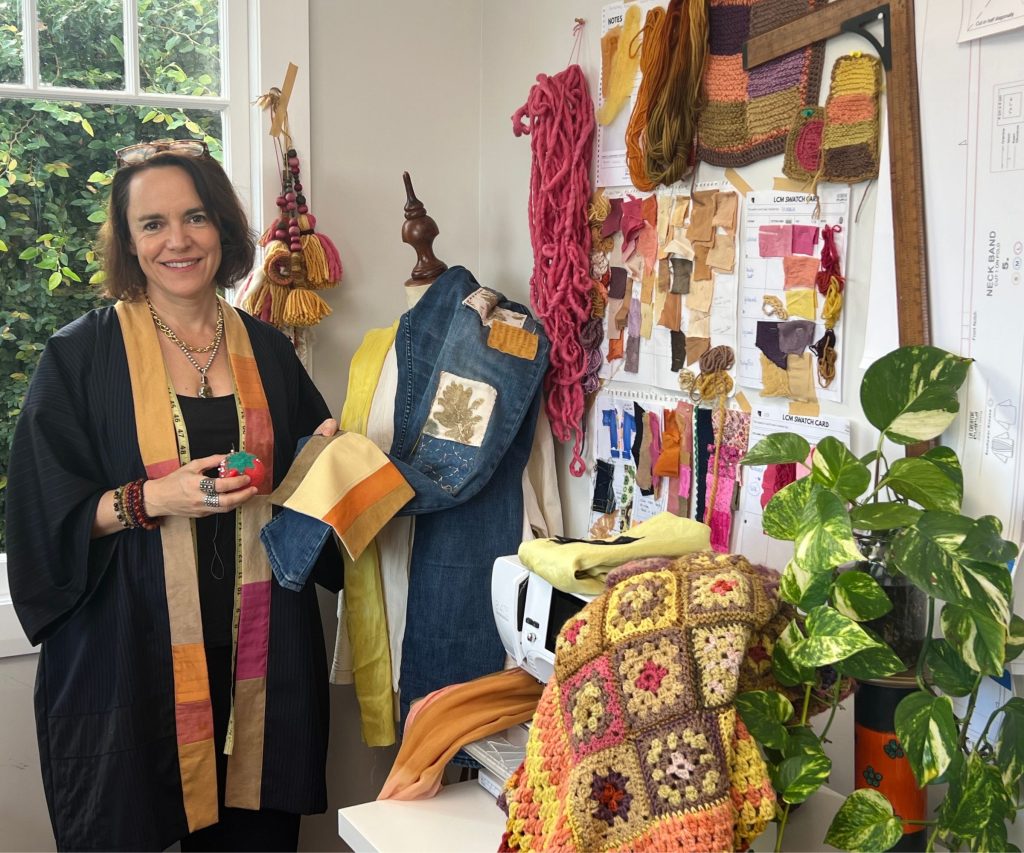
Welcome to my creative world!
I created LA CREATIVE MAMA as a crafty home for all my crafty talented friends who want to get inspired and creative with DIY sewing projects, upcycled fabric crafts, natural dyeing, eco printing and of course my favorite: DIY Sustainable FASHION!
Get in touch!
Join me and the community of Creative Mamas! Come over to Facebook / Instagram/ Pinterest and leave a comment or reply to a blog post here.
Would love to see any pics from projects you did from my blog and I can feature you here!